
"Century Jinhua"
18620 article(s) found

Coffee and the Story of Coffee Culture in Japan
As early as the end of the 17th century, the Dutch brought coffee to Asia in the early 18th century, and coffee was soon introduced to Japan. Before and after the Meiji Restoration, Japan advocated total westernization, and the coffee culture with Dutch flavor took root in Japan. During the Taisho period (1879-1926), due to the pervasive atmosphere of freedom and democracy, fresh and luxuriant culture, cafes have been very prosperous. But with the Japanese army,
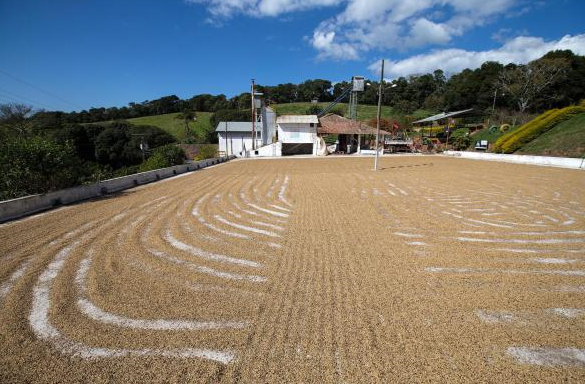
A century-old coffee inheritance of a Brazilian family-- Saydang Manor in Brazil
In the southeastern Brazilian state of Minas Gerais, which is famous for its mineral water, the pedestrian street in the center of San Lorenzo has a coffee shop full of customers, and the modern decoration and equipment stand out in the old city. The coffee shop belongs to the local Pereira family. The shop has been open for about 10 years, but his coffee has a history of more than a hundred years. In 1890, Jos é Isidro Pereira and his wife Nazarrett
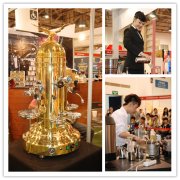
Bezerra Century Golden Eagle Coffee Machine High-end Limited Edition products
On the left is the Bezerra century-old golden eagle coffee machine known as Rolls-Royce in the coffee machine, and the top right is the first payment for university students to perform and mix drinks. The lower right holds a live coffee-making competition for baristas. (Wen / Luo Weiwei and Chen Xiaohong) Cake plus coffee is the perfect match for afternoon tea. Where there is cake, how can it be accompanied without coffee? Coffee is also a major protagonist in this baking exhibition. Except

Pakamara, a new hybrid born in El Salvador in 1958, was not planted on a large scale until the 21st century.
For more information on coffee beans, please follow the Coffee Workshop (Wechat official account cafe_style) Pacamara, a new hybrid born in El Salvador in 1958, but it was not until the 21st century that it was slightly more cultivated. When Robin filmed a coffee documentary in Melbourne in 2014, it was still a legendary rare bean species, and many people only knew its name but never tasted it.

Real mellow thickness of Ugandan coffee flavor taste manor characteristics of boutique coffee beans
There was an emirate called Kitala in present-day western Uganda before the 13th century AD. In the 13th and 14th century, the nomadic Bachwezi conquered the country. From the end of the 15th century to the beginning of the 16th century, the Luo people who originally lived in southern Sudan went south to replace the rule of the Bachwezi, established the kingdom of Buniolo and established the Babito dynasty in Buganda. These foreign rulers were soon engaged in local farming.

Introduction to the unique and mellow coffee flavor and taste characteristics of Ethiopia's Xida Motede Manor.
Monlinique I reigned in 975 BC. The Kingdom of Nubia was established in the 8th century BC. From the 1st century to 976 AD, the Ethiopian Empire, also known as the Kingdom of Aksum, was established in Aksum in the north. Christianity was introduced into Ethiopia in the 4th and 5th century. From the 12th century to 1270, the Zagvi dynasty was established. In 1270, the Abyssinian Empire was established. [3] Western colonialism

The source of coffee beans when did coffee beans become popular
Coffee beans became popular in China in the 19th century. There are many legends about the discovery of coffee beans in every country. One of them is according to Rothschild, a Roman linguist. Neroy (1613-1707) records: about the sixth century AD, an Arab shepherd Kardai saw each goat when he was herding sheep to the Isabian prairie.

Wonderful fruit-flavored coffee Kenyan coffee beans
It entered Kenya in the 19th century, when Ethiopian coffee drinks were imported into Kenya through southern Yemen. But it was not until the early 20 th century that the Bourbon Coffee Tree was saint. The Austin Mission (St.AustinMission) was introduced. Kenyan coffee is mostly grown at 15002100 meters above sea level and is harvested twice a year. To ensure that only ripe berries are picked, people must patrol the forest

How did Coffee enter the Chinese Coffee Market
Coffee is said to have begun in the early 11 th century and can be found in ancient Arabic literature. Before that, coffee raw beans were dried and then boiled as stomach medicine in Arabia. later, it was learned that coffee also had a refreshing effect, coupled with severe Muslim precepts against drinking. Muslims replace alcohol with roasted juice to become excitant drinks. It is said that the locals understand

Cafe de flore and les deux maggots, the century-old French coffee shops.
Everyone knows that there are many cafes on the streets of France, especially in Paris: the most famous are Caf de flore and les deux maggots, two century-old shops in my avatar on the Rue Saint-Germain. What I am going to tell you today is not how fragrant the coffee is in these two old shops, which is not the main reason why these two coffee shops are so famous so far; nor are they.
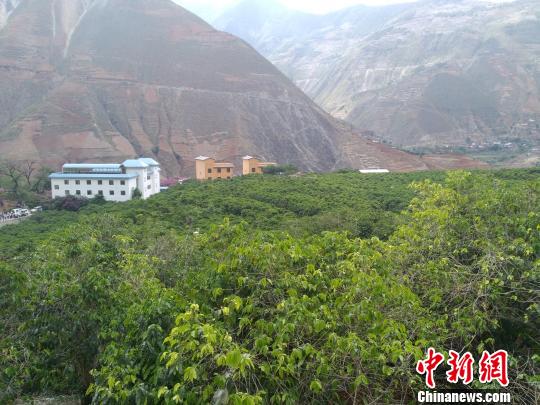
Experts and scholars from five countries in Yunnan Binchuan discuss the new development of century-old coffee
Professional baristas please follow the coffee workshop (Wechat official account cafe_style) on the 16th, coffee experts and scholars from China, the United States, Ethiopia, India and France gathered in Zhukula Village, Binchuan, Yunnan Province to open the Zhu Kula Coffee Forum to discuss the future of the century-old coffee-Zhukula Coffee, in order to help ethnic minorities shake off poverty and become rich and Yunnan Coffee goes out. Chinanews.com, Binchuan, Yunnan

Coffee Chronicle the Historical Development of Fine Coffee
In the 6th century, on the plateau of Abyssinia, a shepherd named Caldai drove goats to the new prairie for grazing, and accidentally found coffee fruit due to the accidental feeding of goats. In the early 10th century, Dr. Daggers, a famous doctor in Iraq, admitted and documented the pharmacological effects of coffee. This is one of the earliest valuable medical records of coffee. In the 11th century, the Arabs invented the whole

A century-old traditional Chinese medicine shop has changed into a coffee shop to continue the old feelings from the Baizi cabinet.
In the downtown area, many buildings with historical and cultural characteristics are no match for the great wheel of the times. The Kowloon City District is full of old buildings, and in order to tie in with urban renewal, new and old buildings and culture can also co-exist. With a history of more than half a century, "Dahetang antler Medicine Company" has become a symbol of the area. Seeing the closure of the old historical shop, Shi Junkeng (Henry), a post-80s generation, decided to rent the shop and renovate it into a "Dahe Hall Coffee Shop"

The flavor and taste of Ugandan coffee with extremely light aroma introduction to the characteristics of boutique coffee in manor area
There was an emirate called Kitala in present-day western Uganda before the 13th century AD. In the 13th and 14th century, the nomadic Bachwezi conquered the country. From the end of the 15th century to the beginning of the 16th century, the Luo people who originally lived in southern Sudan went south to replace the rule of the Bachwezi, established the kingdom of Buniolo and established the Babito dynasty in Buganda. These foreign rulers were soon engaged in agriculture locally.

How to choose coffee beans and what are defective beans
First, the story of the shepherd legend around the tenth century AD, on the Ethiopian plateau of Africa, there was a shepherd Karl. One day he saw the goats suddenly looking very excited and excited. He thought it was strange, and then after careful observation, he found that the sheep were excited after eating some kind of red fruit. Carl tasted some curiously and found that he also felt after eating it.

History and Origin of Coffee Trees
It wasn't until around the 11th century that people started brewing coffee as a drink. In the 13th century, Ethiopian troops invaded Yemen, bringing coffee to the Arab world. Because Islam prohibits believers from drinking alcohol, some religious people believe that this drink stimulates nerves and violates the doctrine. Coffee shops were once banned and closed, but Egypt's Sultan believes that coffee does not violate the doctrine.
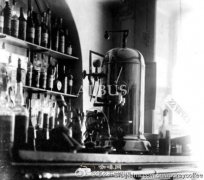
Coffee Chronicle the Development of Coffee History and Culture
In the 6th century, on the plateau of Abyssinia, a shepherd named Caldai drove goats to the new prairie for grazing, and accidentally found coffee fruit due to the accidental feeding of goats. In the early 10th century, Dr. Daggers, a famous doctor in Iraq, admitted and documented the pharmacological effects of coffee. This is one of the earliest valuable medical records of coffee. In the 11th century, the Arabs invented the whole

Famous century-old tea bag brand recommends Darman Dammann Fr è res tea bag price list
The earliest French brand incense. The Chiman brothers originated in 1692 and were granted the "exclusive" privilege of the tea industry in France by Louis XIV, who was handed down in the name of the Sun King. From then on, it has a history of more than 300 years, and has laid the foundation of modern seasoned tea. It has long been sold only in luxury hotels and grocery stores in France. Paris century-old Juman Tea has been in operation since 1692.
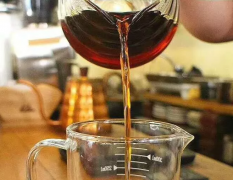
Wonderful fruit-flavored coffee Kenya boutique coffee
It entered Kenya in the 19th century, when Ethiopian coffee drinks were imported into Kenya through southern Yemen. But it was not until the early 20th century that the bourbon was introduced by the St. Austen Mission (St.AustinMission). Kenyan coffee is mostly grown at 15002100 meters above sea level and is harvested twice a year. To ensure that only ripe berries are picked, people must be in the forest

The evolution history of coffee roaster
As early as the 13th century, the Arabs invented to put coffee beans in a pot, stir-fry them with fire, grind them into powder, and then brew coffee. The early Arabs liked to bake the beans shallowly and boil them with spices such as cardamom. Later, this coffee stir-frying method spread to Syria, Turkey and Egypt, where it was used to stir-fry the coffee black, then grind it into powder and add it.